Walk through suburban neighborhoods in Maryland, and it’s clear the use of native plants is increasing. Turf grass may continue to anchor most yards, but clusters of black-eyed susans (Rudbeckia hirta), coneflowers (Echinacea), and Joe-Pye weed (Eutrochium) are visible on many blocks, grouped together to create pollinator gardens or scattered among more traditional plantings.
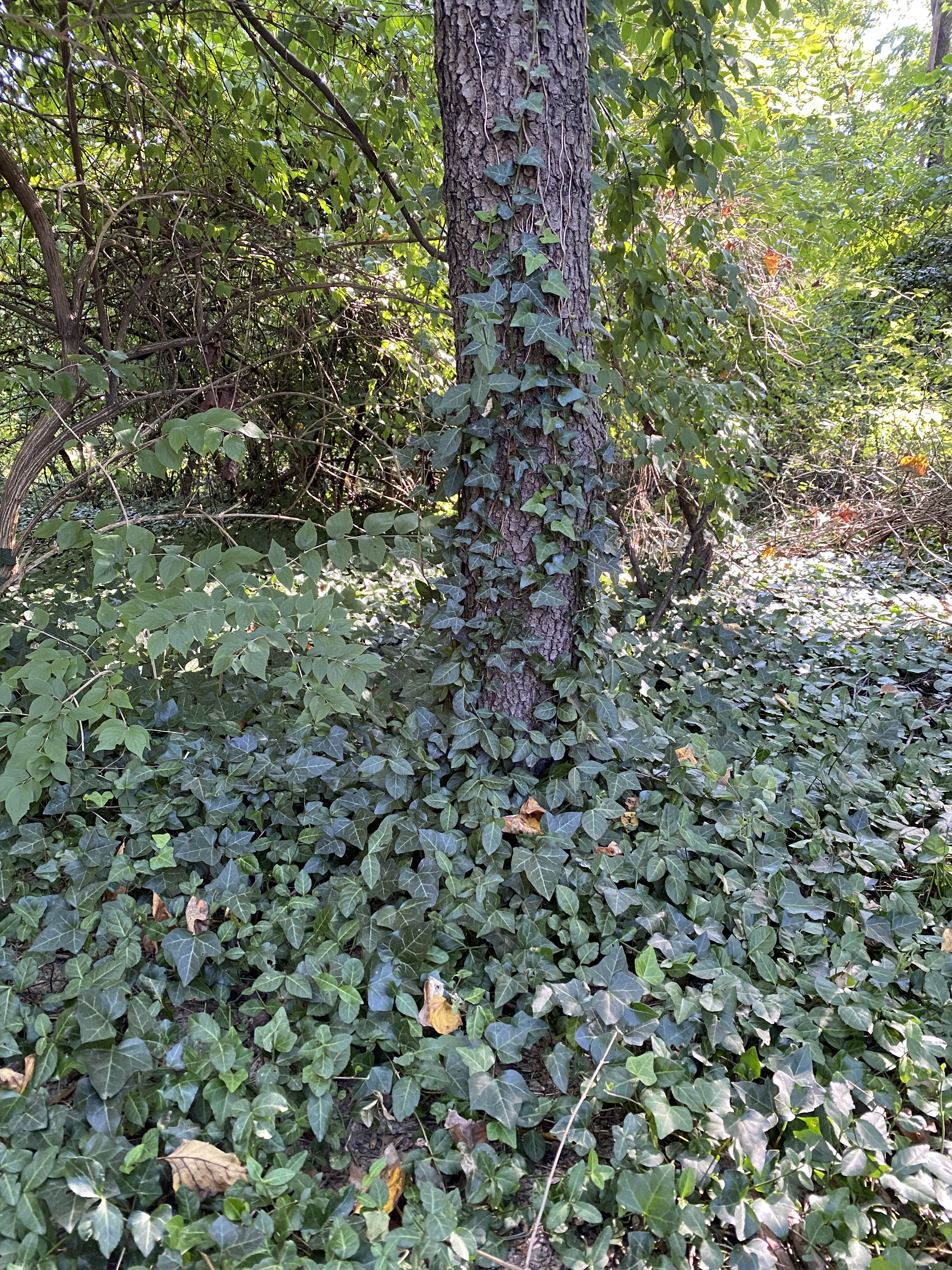
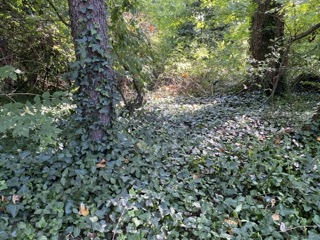
Drive down the highways and back roads of Maryland, or wander through the state’s local and urban parks, and nonnative invasive vines, shrubs, and perennials are everywhere, choking or outcompeting the native vegetation. The lush green can be deceptive until you take a closer look and realize the woods are being overrun by some of the same plants that have been sold or are sold today in garden centers: English ivy (Hedera helix), a long-time landscape staple; barberry (Berberis), a shrub often used as an accent plant and known for its golden or crimson foliage; and porcelainberry (Ampelopsis brevipedunculata), a grape-like vine with berries in shades of purple and blue.
The Maryland legislature is paying attention.
In 2023, the Maryland General Assembly passed legislation, signed by Governor Wes Moore, to create the Maryland Native Plants Program. Developed in response to the public’s growing interest in native plants, and with an implementation date of July 1, 2024, the program will offer voluntary certification for native plant growers and garden centers, maintain a list of plants certified as native for purchase, develop a branding program so consumers can identify certified native plants when shopping, and hire a native plant specialist through the University of Maryland Extension Services to coordinate efforts to educate Marylanders on the benefits of native plants.
In May of 2024, the governor signed the Agriculture – Invasive Plant Species – Regulation section of the Biodiversity and Agriculture Protection Act, which limits the sale of nonnative invasive plants in Maryland. The Act extends existing legislation, expanding the number of prohibited nonnative invasives and creating a process for recommending plants for designation as invasive. To keep the public informed, the Department of Agriculture will post on its Maryland Invasive Plants Prevention and Control webpage a list of plants identified as invasive in the state and banned from sale. The original list, developed in 2016 and known as Tier 1, includes nonnative invasives such as wintercreeper (Euonymus fortunei), lesser celandine (Ficaria verna), yellow iris (Iris pseudacorus), and Amur honeysuckle (Lonicera maackii), plants that are rampant in natural areas of Maryland.
These two pieces of legislation will make it easier for Maryland home gardeners and landscape designers to create gardens that are beneficial to wildlife, with plants that provide pollen, nectar, berries, foliage for developing butterfly and moth larvae, and nesting habitat, while reducing the inadvertent use of invasive plants that spread beyond gardens and overrun native species. By passing these laws, Maryland legislators responded to the community’s desire to plant more ecological gardens and also recognized that success is more likely if the process of identifying and obtaining appropriate native plants is no more difficult than purchasing traditional plants for the garden.
The state government’s efforts at educating the public about the value of native plants and controlling the spread of nonnative invasives are a welcome assist in keeping Maryland’s landscape biologically diverse and healthy.
Update (January 17, 2025): The certification program for plant growers is now active; see Maryland’s Best Native Plant Program for information. Certification is based on the percentage of native plants on the Commercial Maryland Native Plant List that are in a grower’s inventory. The Plant List provides numerous details for each plant, including growing conditions, dimensions, bloom time, and wildlife value, and is a useful guide to plant selection for consumers.
Notes
- “Maryland Native Plants Program.” Maryland General Assembly. Accessed September 10, 2024. https://mgaleg.maryland.gov/mgawebsite/Legislation/Details/HB0950?ys=2023RS
- “Agriculture – Invasive Plant Species – Regulation (Biodiversity and Agriculture Protection Act).” Maryland General Assembly. Accessed September 10, 2024. https://mgaleg.maryland.gov/mgawebsite/Legislation/Details/SB0915
- Maryland Invasive Plants Prevention and Control. Maryland Department of Agriculture. Accessed September 10, 2024. https://mda.maryland.gov/plants-pests/Pages/maryland_invasive_plants_prevention_and_control.aspx
If you’d like to learn more . . .
Invasive Plant List. Maryland Department of Agriculture. Last updated March 23, 2020. Accessed September 10, 2024. https://mda.maryland.gov/plants-pests/Documents/Invasive-Plant-List-March-2020.pdf
Maryland Native Plant Resources. Maryland Department of Natural Resources. Accessed September 16, 2024. https://stg-dnr.maryland.gov/wildlife/Pages/plants_wildlife/Native-Plants.aspx
“Maryland’s Invasive Plant Regulations.” AgBrief. Maryland Department of Agriculture. May 2016. Accessed September 10, 2024. https://mda.maryland.gov/Documents/ag_brief/AgBrief_InvasivePlants.pdf
University of Maryland Extension. University of Maryland. Accessed September 10, 2024. https://extension.umd.edu/home/
 Edgings Garden Research and Design