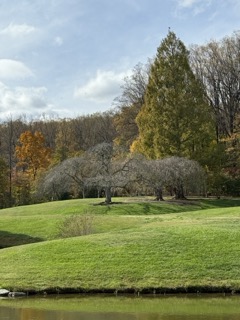
Make the principle of empty space a priority in naturalistic and native garden design, and perhaps these gardens will become the predominant garden style in the landscape.
Author Archives: Edgings Garden Research and Design
Monarch Butterfly Duo
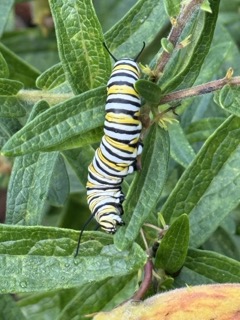
Finally, a monarch! And not just one caterpillar, but two, with others, I hope, hidden among the late-season foliage.
If You Plant It, They Will Find It
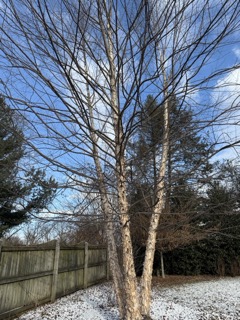
Birds need food, the food that emerges from the ecosystems of native birches and oaks, willows and maples, and from elderberries, serviceberries, viburnums, and winterberries. They need food when they’re year-round residents and food when they’re migrating. And when you plant the food-supplying trees and shrubs birds need, the birds will stop.
Maryland Native Plant Legislation Supports Native Species and Restricts Invasives
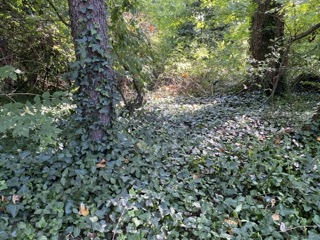
In 2023, the Maryland General Assembly passed legislation, signed by Governor Wes Moore, to create the Maryland Native Plants Program. In May of 2024, the governor signed the Agriculture – Invasive Plant Species – Regulation section of the Biodiversity and Agriculture Protection Act, which limits the sale of nonnative invasive plants in Maryland.
Spring Arrives – Early, Beautiful, and Unsettling
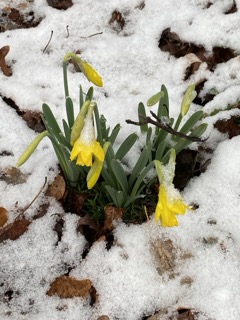
On March 6, I wrote, “The miniature irises in my garden, early spring-blooming bulbs, have already flowered and faded. The daffodils are in their prime, cheerily, ecstatically yellow.”
Mt. Cuba Center: Beautiful and Comprehensible Native Plant Design
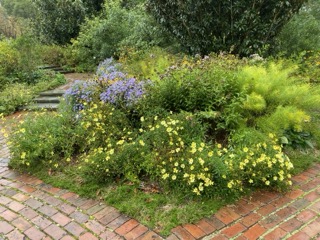
I don’t recall the first time I heard of Mt. Cuba Center, but for the last few years this native plant garden in the Brandywine Valley area of Delaware has been on my bucket list of Mid-Atlantic gardens to visit. In October, I was fortunate to spend part of a day roaming the site, soaking up its inspiration for native plant design.
So What Exactly Is a Native Plant? The Pollinator-Friendly Plant Labeling Act May Have an Answer
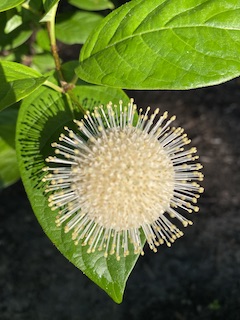
When talking about gardening, it doesn’t take long before native plants become part of the conversation. One question comes up repeatedly in these conversations, a fundamental question with an elusive answer: “What exactly is a native plant?”
On Leaving the Leaves
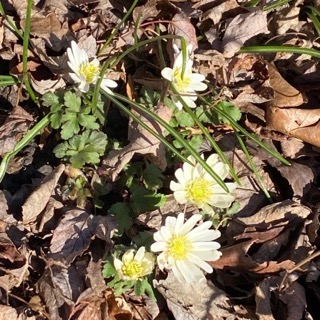
Last November, in my efforts to support pollinators and other insects, I left the leaves on the garden beds. In late fall and throughout winter, maple, oak, and magnolia leaves masked the bare soil of unplanted areas with a colorful, textured blanket that provided insulation and habitat. Now the garden feels like a patch of woodland, which is great for critters, but frustrating, because I can’t see what’s going on beneath the leaves.
First Kinglet of the Season
The first kinglet of spring 2023 appeared today, in the river birch as usual. Among the branches, movements, so quick they’re easily mistaken for a trick of the wind or illusion of the eye.
What’s Wrong with Your Plant? First Observe, Then Check Extension Services for Help
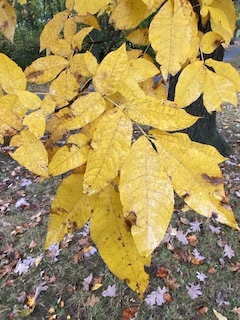
Gardening is a belief in the future. You plant, do your best to provide a good environment, cross your fingers, and hope nature will support your view of how the space should look. With living plants as the medium, the process can be tricky. Many plants will flourish in the locations you’ve chosen for them, but others will become diseased and a few may die sooner than expected.
 Edgings Garden Research and Design